DREST: Fashion Dress Up Game
- 4.2
- Rating
- 1.00M
- Installs
- Free
- Price

 Analysis by App-foxy
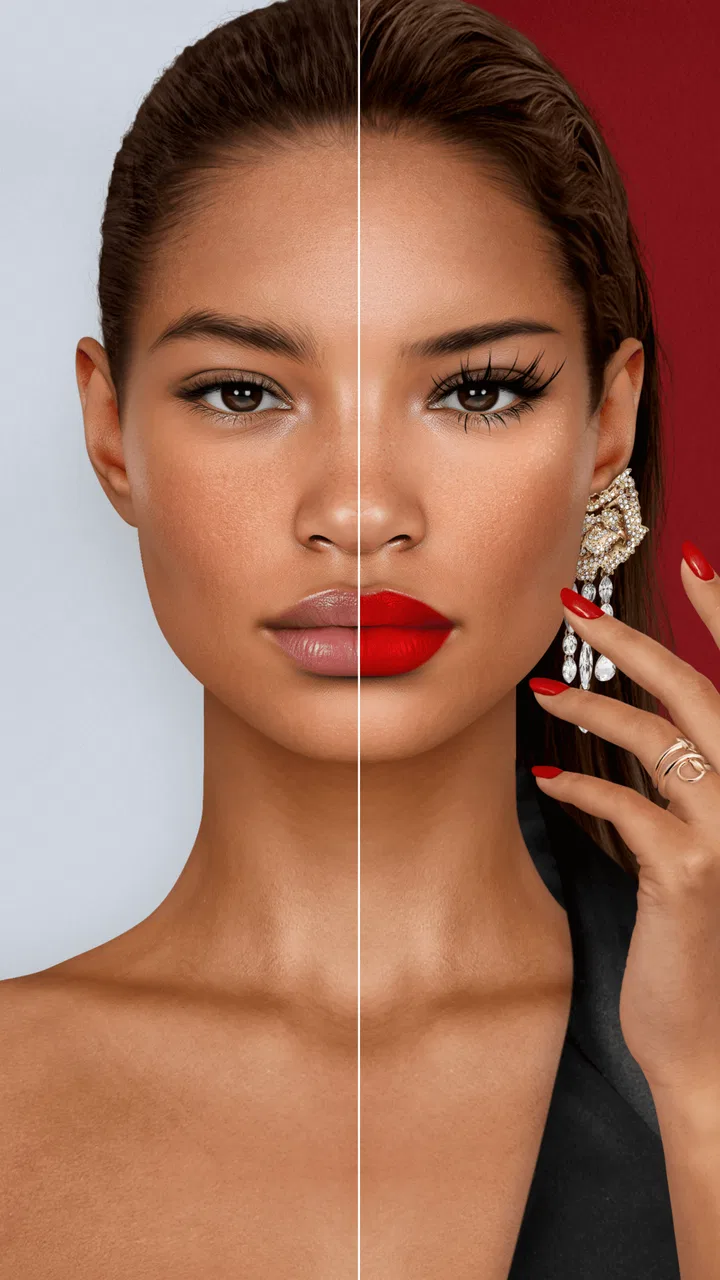
I approached DREST as a fashion styling game rather than a conventional dress-up toy, and that distinction matters. Its focus is on building complete looks around supermodels, combining clothing choices with makeup and the overall impression of a finished outfit. I found the appeal strongest when I treated each look as a small creative project instead of rushing through selections.
It is a free simulation game from Drest Ltd., rated for Everyone 10+, and it has already passed the one-million-install mark. The current version is 1.80.0, with support beginning at Android 9. That makes it easy to consider for a wide range of reasonably recent Android phones, although the experience will still depend on the device’s age, available storage, and how comfortably it handles image-heavy fashion content.
How DREST feels during ordinary play
The first thing I noticed is that the game’s pace is tied closely to how I play. If I am simply browsing garments and making quick decisions, the experience feels naturally relaxed. If I spend more time comparing colors, changing makeup, and reconsidering the balance of an outfit, the game becomes more deliberate. That is not a flaw by itself; fashion styling is the core activity, so the slower moments are part of the creative process.
You May Also Like

 Blood Strike: 2.5 Anniversary
Blood Strike’s Loadouts Turn Every Drop Into a Tactical Gamble
A close look at Blood Strike’s custom loadouts: how fast access to signature weapons reshapes its battle royale rhythm, rewards preparation, and narrows the gap between fights.

 Pandora - Music & Podcasts
Pandora’s Music Is Easy to Start, but Harder to Recover
Pandora’s strength is its low-effort path from a seed to a station. Its weak spot is how much confidence it asks you to place in connection, setup, and quiet recovery.

 8 Ball Pool
 Is Built on Rivalries, Rematches, and Routine
A close look at the rivalries, rematches, shared routines, and unanswered safety questions that turn a quick pool match into a persistent mobile community.

 Samsung Music
’s Quiet Strength Is Playing What You Already Own
Its reach comes less from spectacle than from dependable access to a personal library. That simplicity is both the app’s strongest retention engine and its ceiling.

 AccuWeather: Weather Radar
AccuWeather Review: A Quick, Clear Forecast for Everyday Decisions
For everyday plans, the best forecast is the one you can understand quickly. AccuWeather makes rain timing, radar, and local conditions easy to act on, with a few trade-offs.

 Hill Climb Racing
Why Hill Climb Racing Still Turns Crashes Into One More Run
A tiny car, a bumpy hill and one more upgrade: Hill Climb Racing keeps resurfacing because its simple chaos makes every near-miss feel personal.
More From Our News Desk
View All News


What I would not do is judge it like a fast arcade game. There is no reason to expect constant rapid action from a title built around visual selection and presentation. The useful question is whether the interface keeps up while I am moving between choices. In my experience, the game is most enjoyable when I give it a few uninterrupted minutes rather than opening it for a rushed decision at a bus stop.
The visual nature of the game also affects perceived speed. Clothing, makeup, and model presentation need to appear clearly for the choices to feel worthwhile. A screen that takes a moment to refresh can be more noticeable here than in a text-based simulation, because the entire reward is seeing how the final styling comes together. I therefore see smooth browsing as more important than instant transitions.
Why the styling loop works better than random outfit picking
A useful way to play is to start with a mood or occasion in mind before touching individual items. I might decide that I want a polished evening look, a sharper street-inspired combination, or something built around a single standout piece. This prevents the wardrobe from becoming a list of disconnected selections and gives the makeup stage a clearer purpose.
My best results came from choosing one anchor item first, then using the rest of the outfit to support it. If the clothing already has a strong color or silhouette, a quieter makeup choice can keep the result balanced. If the outfit is restrained, makeup can provide the visual emphasis. This simple workflow makes the game feel more like styling and less like tapping through every available option.
Another practical tip is to pause before making the final change. The last item I select is not automatically the best one. I found that comparing the complete look after stepping back from individual pieces helped me notice when an accessory or makeup choice was competing with the main outfit. That kind of review is where the simulation element becomes more satisfying.
What happens when I use it for longer sessions
Longer sessions are where the game’s visual workload becomes more relevant. Browsing many fashion combinations means repeatedly loading and displaying detailed content, so an older or busy phone may feel less comfortable than a newer device. I would not promise identical behavior across every handset, but I would expect the experience to be more demanding than a simple puzzle or menu-driven simulation.
For heavy use, I prefer playing while the phone is not already struggling with several demanding apps in the background. Closing unused apps can make the session feel more predictable, especially if the device has limited available memory. This is ordinary device maintenance rather than a special requirement, but it matters more in a game where I am repeatedly examining visual options.
Battery use is another consideration during extended styling sessions. I would not choose this as my first game for a long journey if my battery were already low, because a visually focused title is less suitable for conserving power than a lightweight offline puzzle. Short sessions are a better fit when I want a creative break without committing to a long play period.
There is also a mental form of heavy use. Because the game invites fine comparisons, repeatedly chasing a perfect look can become tiring. I get more from it when I set a small goal, such as creating one coherent outfit, rather than endlessly revising details. That approach reduces decision fatigue and makes the game feel more rewarding.
A realistic everyday scenario
Imagine having ten minutes before leaving home and wanting something more engaging than scrolling through social media. I could open the game, choose a central garment, build around its color, finish the makeup, and stop once the look feels deliberate. That is a realistic use case for DREST: a short creative activity that does not require the reflexes or concentration of an action game.
It is less convenient if I am trying to play while multitasking. A phone call, a crowded commute, or frequent interruptions can break the visual comparison process. I may remember the basic outfit, but the satisfaction comes from seeing the whole presentation and making thoughtful adjustments. The game suits focused pauses better than fragmented ones.
For younger players, the Everyone 10+ rating is a useful guide for families deciding whether the theme is appropriate. Adults who enjoy fashion experimentation may appreciate the styling angle, while players looking for competition, exploration, or a story-driven campaign may find the experience too narrowly focused.
Stability, recovery, and practical device expectations
Reliability is not only about whether a game opens. For a styling title, I also care about whether the session remains usable while I browse, whether selections feel consistent, and whether I can return to the activity without unnecessary friction. My general impression is that DREST is best treated as a visually involved mobile game: keep the app updated, avoid starting a session when the phone is nearly full, and give it a moment to settle after launch.
The listed minimum of Android 9 is reassuring for compatibility, but a minimum operating-system requirement does not make every supported phone equally capable. A phone that technically runs Android 9 may still have an older processor, less memory, or a dimmer screen. Those differences can affect how pleasant it is to inspect fashion details even when the game installs successfully.
If an interruption occurs, I would first reopen the game normally rather than repeatedly tapping through a frozen screen. If the phone is under pressure from other apps, clearing that pressure is a sensible first step. Restarting the device can also help after a long period of general use. These are practical recovery habits, not guarantees, but they are more useful than assuming every slowdown is caused by the game itself.
I also recommend avoiding aggressive battery-saving modes while styling if they make the phone reduce background activity or limit performance. On the other hand, I would not disable normal battery protection for the sake of this game. A balanced approach is better: play at a comfortable brightness, keep enough free space for routine operation, and do not expect an older handset to behave like a newer one.
Where the free model changes the experience
The game is free to install, but optional purchases range from $0.99 to $124.99 per item. That is important because the entry cost is low while the possible spending range is broad. I would begin by playing without buying anything and decide whether the core styling loop holds my attention before considering an optional purchase.
This is also where DREST differs from a basic offline dress-up game. A simple alternative may offer a smaller, more immediately accessible wardrobe with fewer commercial decisions. DREST is more appealing if I want a fashion-focused environment with enough variety to keep experimenting, but the free-to-play structure means I need to pay attention to what is available through ordinary play and what is presented as an extra.
My advice is to set a personal spending limit before browsing purchase options, particularly if a younger player will use the device. The largest listed item price is substantial compared with the cost of many complete mobile games, so treating every attractive item as a must-have would undermine the relaxed creative purpose of the game.
Comparison with familiar alternatives
Compared with casual dress-up games that emphasize instant transformations, DREST feels more focused on the complete styling decision. The combination of clothes and makeup gives me more room to think about coordination, but it also means the game can feel less immediate. Someone who wants quick visual rewards with almost no deliberation may prefer a simpler makeover title.
Compared with fashion design or management simulations, it is more accessible because I can concentrate on the look itself rather than running a business, managing resources, or following a complicated progression system. That makes it a good choice for creative players who want styling without the administrative layer. It is not the right substitute for a deep fashion-management game if budgets, shops, or long-term strategy are the main attraction.
It also differs from competitive multiplayer games because the pleasure is personal and visual rather than dependent on fast reactions or direct matches. I would recommend it to someone who enjoys experimenting with presentation, but not to a player whose main motivation is ranking, teamwork, or constant challenge.
Three ways to get more from each session
- Build from one focal piece: choose the item that should attract attention, then keep the surrounding choices from fighting it.
- Use makeup as balance: treat makeup as part of the outfit’s visual structure rather than a separate final step.
- Review before committing: look at the complete styling from a distance and remove anything that distracts from the intended mood.
These habits sound simple, but they change the experience. Without them, I can fall into the trap of selecting attractive pieces individually that do not work together. With them, each session has a clear beginning, adjustment stage, and conclusion. That structure is especially helpful on devices where browsing feels slower, because it reduces unnecessary loading and repeated backtracking.
Who should install it, and who should skip it
I would recommend DREST to players who enjoy fashion, makeup, visual coordination, and low-pressure creative play. It is a particularly good fit for someone who likes comparing small changes and taking satisfaction from a finished look. The game can also work as a short relaxation activity when I want something more interactive than browsing images but less demanding than an action title.
I would be cautious about recommending it to anyone with very limited storage, an older Android phone that already struggles with visual apps, or a strong dislike of optional purchases. The Android 9 requirement is approachable, but operating-system support alone does not guarantee a smooth experience on aging hardware. Players who want a fully offline, one-time-purchase dress-up game may also prefer a different model.
I would skip it if my priority were a deep narrative, realistic fashion education, or a complex simulation with long-term management. The game’s strength is the act of styling supermodels, not replacing a design course or a full fashion-business strategy game. Knowing that before installing will prevent the common disappointment of expecting a broader genre than the one DREST actually serves.
My final performance verdict
DREST is a visually oriented fashion simulation that benefits from a reasonably capable phone and a few uninterrupted minutes of attention. I would describe its perceived speed as comfortable for thoughtful styling rather than rapid-fire play. Heavy browsing can place more pressure on an older device, and long sessions are less suitable when battery life or available memory is already limited.
The game has a 4.2 average from around three and a half thousand ratings, alongside more than seven hundred written reviews, which suggests that it has attracted a meaningful audience without making it universally appealing. I understand that balance: the focused fashion concept is distinctive, but the same focus will feel narrow to players who want action, storytelling, or management.
With over a million installs, Drest Ltd.’s game is clearly easy for interested Android users to discover, and the free starting point makes trying it straightforward. I would still approach the purchase system carefully and judge the experience on the styling loop before spending. My strongest recommendation is to use a clear outfit-building method, keep expectations realistic for older devices, and play in short, focused sessions.
My bottom line: DREST is worth trying if you want a polished-feeling fashion activity centered on clothing, makeup, and visual decisions. It is not the best choice for conserving battery, rushing through play, or finding a deep all-purpose simulation. For the right player, though, its slower, more deliberate rhythm is exactly what makes creating each look enjoyable.
FAQs for DREST: Fashion Dress Up Game
01What is DREST: Fashion Dress Up Game?
DREST is a fashion styling and dress-up game where you create outfits using clothing, accessories, shoes, and beauty items inspired by real-world luxury fashion. You can style models for different challenges, experiment with colors and trends, and submit your looks for judging. It is aimed at players who enjoy creativity, fashion combinations, and a more realistic styling experience than a traditional casual dress-up game.
02How does the gameplay work in DREST?
Gameplay generally revolves around completing themed styling challenges. After reading the brief, you choose a model and build an outfit from the available wardrobe, paying attention to the requested style, occasion, colors, or mood. Once your look is ready, you submit it for evaluation or comparison with other players’ entries. Rewards and progression can unlock additional fashion items and styling possibilities.
03Is DREST free to download and play?
DREST can be downloaded without an upfront purchase, but the experience may include optional in-app purchases. These can provide access to additional clothing, accessories, currency, or other progression-related items. You can usually begin styling without spending money, although players who want every collection or faster access to premium content may encounter paid options. Check the store listing for current pricing and purchase details.
04Does DREST require an internet connection?
An internet connection is generally important for DREST because the game may need to load fashion content, synchronize your progress, deliver challenges, and connect you with online judging or community features. Some parts of outfit planning might appear accessible temporarily, but the complete experience should be treated as online. A stable Wi-Fi or mobile data connection is recommended, especially when downloading updates or large visual assets.
05Is DREST suitable for children and what should parents know?
DREST is primarily designed for players interested in fashion styling and creative competition, but parents should review the current age rating before allowing younger children to play. Depending on the version and region, the app may include in-app purchases, advertising, online features, or interactions with other users. Parental controls and purchase restrictions are advisable, and children should be reminded not to share personal information through connected features.
Pros
- Large selection of designer clothing and accessories
- Regular fashion challenges keep the gameplay engaging
- Useful for exploring outfit ideas and styling combinations
- Social features let you compare looks with other players
- High-quality visuals showcase garments in detail
Cons
- Many premium items require in-app purchases
- Progress can feel slow without spending virtual currency
- Some challenges favor players with larger wardrobes
- Requires a stable internet connection for most features
- Limited gameplay beyond styling and fashion competitions

DREST: Fashion Dress Up Game
Gallery